

The Shifting Sands of the Asian Hair Extension Export Industry: How US Economic Policy Impacts a Global Market
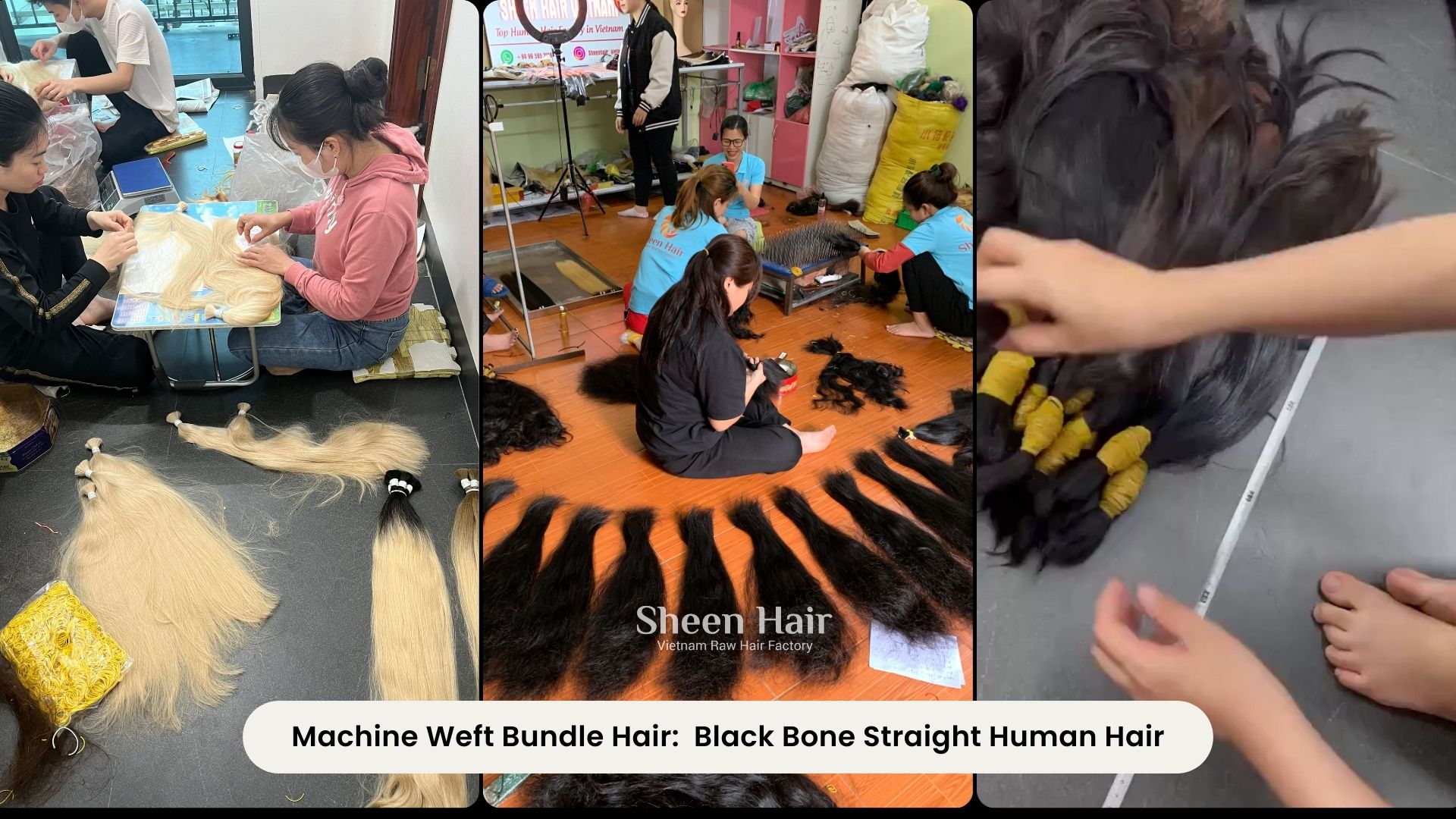
The global hair extension industry is a multi-billion dollar market, with Asia playing a dominant role as a producer and exporter of human hair. From the lush temples of India to the bustling factories of China and Vietnam, Asian countries have long been synonymous with high-quality human hair extensions. However, recent shifts in US economic policy are creating ripples throughout this intricate global supply chain, forcing businesses to adapt and navigate a new landscape. This blog post delves into the Asian hair extension export industry, exploring its intricacies, current trends, and the significant impact of the new US economic policies on imports from Asia.
The Asian Dominance in Hair Extension Exports:
Asia’s dominance in the hair extension market stems from several factors:
Abundant Supply of Raw Material: Many Asian countries have a large population with long, healthy hair, providing a readily available source of raw material. This abundance, especially in countries like India, Vietnam, and Cambodia, directly impacts production costs and allows for competitive pricing in the global market.
Skilled Labor and Manufacturing Expertise: Decades of experience in hair processing and manufacturing have established a skilled workforce capable of producing high-quality extensions. From meticulous cleaning and sorting to advanced weaving and processing techniques, Asian manufacturers have honed their craft, ensuring a consistent product output.
Cost-Effective Production: Lower labor costs in many Asian countries contribute significantly to the affordability of their hair extensions. This competitive pricing allows Asian exporters to capture a substantial portion of the global market share, catering to both budget-conscious and luxury consumers.
Established Supply Chains: Well-established supply chains connecting raw material sourcing, processing facilities, and export channels ensure efficient and reliable distribution. This streamlined process minimizes delays and allows for timely delivery to international markets.
Variety and Customization: Asian manufacturers offer a wide variety of hair extensions, catering to different hair textures, lengths, colors, and styles. Customization options are also readily available, enabling businesses to meet specific customer demands.
Types of Hair Extensions Exported from Asia:
The Asian hair extension industry caters to a broad spectrum of consumer preferences, offering various types of extensions:
Weft Hair Extensions: These are the most common type, consisting of hair wefts sewn together. They are relatively affordable and easy to apply.
https://sheenhairvietnam.com/product/blonde-weft-bundles-20-inches/
Clip-in Hair Extensions: These are pre-clipped wefts that can be easily attached and removed, offering versatility and convenience.
Tape-in Hair Extensions: These involve small wefts applied with adhesive tape, offering a more seamless and natural look.
Sew-in Hair Extensions: These extensions are sewn directly onto cornrows or braids, providing a long-lasting and secure attachment.
Fusion Hair Extensions: Individual hair strands are bonded to natural hair using heat or adhesive, creating a natural and undetectable look.
The Impact of the New US Economic Policy:
The recent economic policies enacted in the USA, including increased tariffs and stricter import regulations, have had a considerable impact on the Asian hair extension industry. These policies aim to:
Protect Domestic Industries: The US government aims to support and strengthen its domestic hair and beauty industry by reducing reliance on imports. This protectionist approach is intended to create jobs and stimulate economic growth within the country.
Address Trade Imbalances: These policies address concerns about trade imbalances between the US and Asian nations, particularly regarding the volume of imports.
Improve Supply Chain Security: The focus on domestic production also aims to enhance supply chain security, making the US less vulnerable to disruptions from global events or international conflicts.
Consequences for Asian Exporters:
The consequences of these policies are multifaceted and far-reaching:
Increased Costs: Tariffs imposed on imported hair extensions directly increase the cost of goods sold, forcing Asian exporters to either absorb the increased expenses or raise prices, impacting their competitiveness.
Reduced Demand: Higher prices can lead to reduced demand from US consumers, impacting sales volume and overall profitability for Asian exporters.
Market Share Loss: Increased competition from domestic US manufacturers, coupled with higher prices, can result in Asian exporters losing market share in the US, their largest market.
Adaptation and Innovation: To navigate this challenging environment, Asian hair extension exporters are compelled to adapt and innovate. This may involve exploring alternative markets, diversifying product offerings, and improving efficiency to offset increased costs.
Shifting Production Strategies: Some manufacturers may consider relocating production or establishing manufacturing facilities within the US to avoid tariffs and comply with import regulations. This is a costly undertaking, however, and may not be feasible for all businesses.
The Future of the Asian Hair Extension Export Industry:
The future of the Asian hair extension export industry hinges on several factors:
Global Economic Conditions: The global economic climate will play a pivotal role in shaping consumer spending and demand for hair extensions.
US Trade Policy Developments: Any changes or adjustments to the US economic policy will significantly affect the industry’s dynamics.
Innovation and Technological Advancements: The development of new technologies and manufacturing processes can improve efficiency and reduce costs, potentially mitigating the impact of the tariffs.
Market Diversification: Asian exporters will need to actively explore and penetrate new markets outside the US to reduce their dependence on a single market.
Sustainability and Ethical Sourcing: Growing consumer awareness of ethical and sustainable practices is pushing the industry towards more responsible sourcing and production methods.
In conclusion, the Asian hair extension export industry faces significant challenges due to the changing US economic policy. While these changes present considerable hurdles, they also create opportunities for innovation, adaptation, and diversification.
The industry’s future success will depend on its ability to respond strategically to these evolving circumstances, ensuring its continued relevance and prosperity in the global market. The ongoing interplay between global economics, trade policy, and consumer demand will shape the trajectory of this dynamic industry for years to come.
HAPPY LUNER NEW YEAR 2025 – SHEEN HAIR VIETNAM
Here’s to a successful partnership in 2025!
❤️We have a New Year promotion that will end at the end of this month to celebrate the Lunar New Year.
✅50% off shipping cost for orders over 1 kg
Instagram: Sheenhair_Vietnam
WhatsApp: +84 96 595 21 26
WhatsApp: wa.me/c/84965952126